Rijksmuseum Collection Online is a lesson in joining systems, not just publishing images
The museum's own launch release gives the scale. MuseumNext adds the design thinking behind it.
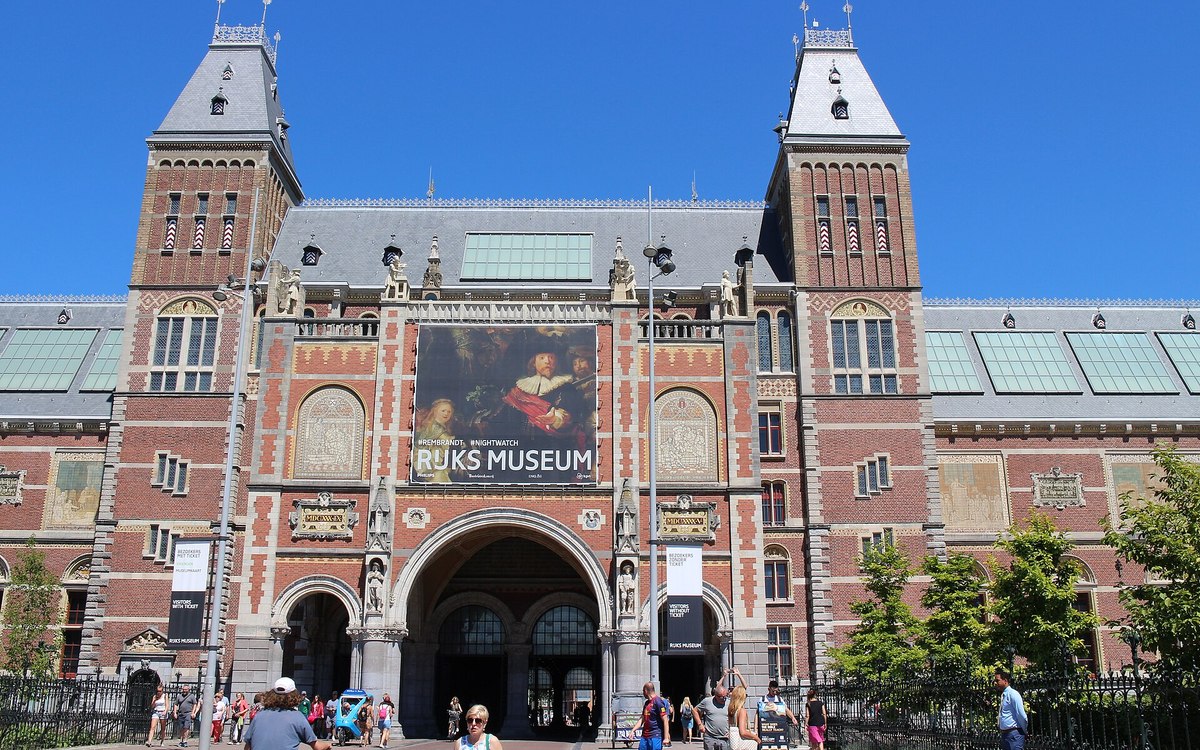
MuseumNext's October 2025 article describes how the Rijksmuseum rethought its online collection. The Rijksstudio of 2012 let people zoom into brushstrokes and download high-resolution images. The newer platform, launched on 26 November 2024, goes the other way, from a single artwork out to an artist, a theme and wider cultural stories.
The museum's press release of that day sets out the scale: 800,000 high-resolution artworks, 500,000 books and 800 linear metres of documentation in one place. It says the museum built dedicated infrastructure that connects several data systems, and that it releases the structured data as Linked Open Data. MuseumNext notes that these launch figures cover a narrower scope than the museum's wider holdings, so do not compare them with total collection counts.
The design challenge MuseumNext reports is making linked data feel friendly. The team generated node pages that gather everything on one topic: artworks, historical developments, related artists and visitor-made stories. The idea, as Peter Gorgels describes it in the article, was to avoid a research tool look and aim for a visual showcase.
The press release says more will be added, including archival material and results from Operation Night Watch, under the museum's information and data policy. The Art Newspaper's report of 29 November 2024 covers the separate AI Art Explorer tool, which helps people find unexpected links in the holdings.
For smaller institutions the transferable lesson is not the AI. It is the unglamorous work of connecting records from separate systems so that a person can move from one object to the next, and writing a data policy that says what will be shared. More coverage is on the digital desk and the resource guide.